


What Is an Anode?
An anode is a conductive component used in industrial systems to manage electrical energy and prevent fuel tank corrosion and oxidation in metal structures. In any conductive material, electrons flow from a positive point, called the anode, to a negative point, called the cathode.
In fuel storage systems, uncontrolled electrical energy can accelerate corrosion in steel tanks, leading to leaks and safety hazards. Using this ensures that electrical energy is safely redirected, protecting the tank and maintaining compliance with industrial safety standards like OSHA and NFPA.
How Anodes Protect Fuel Tanks
Fuel tank corrosion is a major concern for industrial facilities because oxidation gradually weakens steel tank walls, creating the risk of leaks and environmental contamination. A sacrificial anode is installed near the tank to absorb the electrical energy that would otherwise reach the metal.
By corroding in place of the tank, the sacrificial anode preserves the structural integrity of the tank. Regular inspection and timely replacement of these anodes is critical to maintaining long-term protection and operational safety.
What Is a Sacrificial Anode?
A sacrificial anode is intentionally placed near a fuel tank or metal structure so it absorbs electrical energy that would otherwise reach the tank. As the name suggests, it “sacrifices” itself.
Instead of the tank oxidizing, the anode corrodes over time. These are monitored and replaced as they rust, helping extend the life of the storage tank and reduce the risk of leaks.
This approach is widely used in corrosion control systems because it is:
- Effective
- Predictable
- Easier to maintain than repairing tank damage
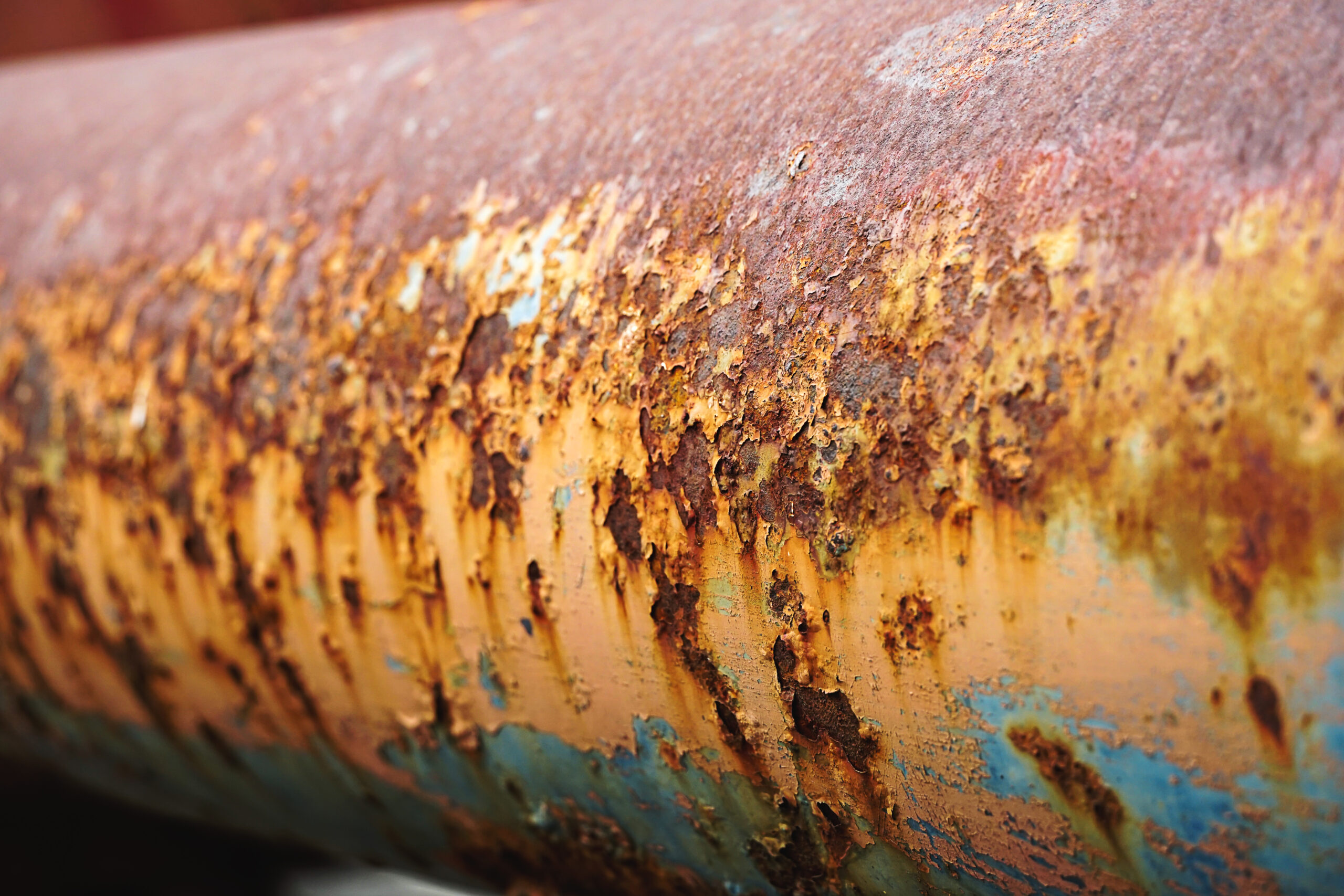
Why Monitoring Electrical Energy Around Fuel Tanks Matters
Monitoring electrical energy near tanks and other equipment is essential to prevent fuel tank corrosion. When electrical charges are left unmanaged, they accelerate oxidation, which can result in leaks and equipment failure.
Other preventive measures include routine inspections, air or soap testing for gas leaks, and evaluation of corrosion prevention systems. Together with anodes, these practices form a comprehensive approach to industrial safety.
Other Methods to Combat Fuel Tank Corrosion
In addition to sacrificial anodes, several strategies can help reduce fuel tank corrosion:
- Applying protective paint coatings to the tank surface
- Using stainless steel fittings instead of corroded components
- Replacing tanks with fiberglass options when appropriate
- Adding chemical coatings designed to slow oxidation
Using these methods alongside sacrificial anodes provides maximum protection while ensuring compliance with industry safety standards.
How Anodes Fit Into SafeRack Systems
SafeRack integrates anodes into grounding systems, bonding cables, and monitoring solutions to prevent corrosion and electrical hazards during industrial operations. Proper installation ensures that electrical energy is safely managed, protecting fuel tanks, equipment, and personnel.
Combining these systems with loading rack safety solutions and ground verification systems helps facilities maintain regulatory compliance while reducing operational risks.
It is the positive component in an electrical system that absorbs energy to prevent fuel tank corrosion and protect metal structures.
It corrode instead of the tank, redirecting electrical energy and preventing oxidation damage.
These are installed in fuel tanks, loading racks, chemical storage terminals, and marine transfer facilities to control corrosion and electrical hazards.
This should be inspected regularly and replaced once they have corroded significantly to ensure continued protection.
Yes, including protective coatings, stainless steel fittings, fiberglass tanks, and chemical treatments. Combining these with sacrificial anodes offers maximum protection.