

Bottom Loading is a modern fuel transfer method used in tanker truck operations where fuel is loaded from the bottom or side of the tank instead of the top. As a result, it significantly improves safety, reduces vapor loss, and increases operational efficiency. Traditionally, fuel was loaded from the top; however, Bottom Loading systems are now widely adopted across fuel distribution networks due to stricter safety and environmental standards.
How Bottom Loading Works
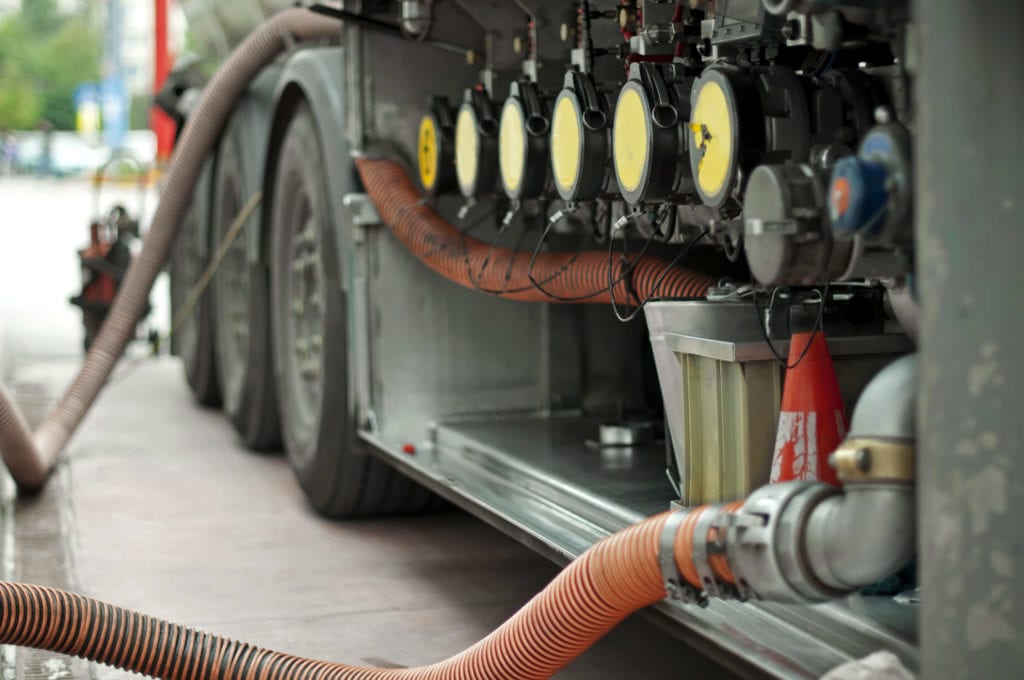
In a Bottom Loading system, fuel is transferred through sealed connections at the lower section of the tank. This design reduces exposure to air and minimizes turbulence inside the tank.
- Fuel enters through bottom valves or side connections
- Vapor recovery systems capture emissions during transfer
- Multiple compartments can be filled simultaneously
- Ground-level operation improves worker safety
In many facilities, truck loading systems are used to support efficient bottom loading operations. Additionally, modern loading arms and couplings help ensure secure and leak-free connections during fuel transfer.
Why Bottom Loading Is Important
The Bottom Loading method was developed to address safety, environmental, and efficiency challenges in fuel handling.
- Reduces fuel vapor emissions
- Minimizes product loss during transfer
- Improves worker safety by eliminating elevated work areas
- Supports faster loading times
For example, facilities often integrate vapor recovery systems to capture emissions during fuel transfer. Moreover, grounding and monitoring systems ensure static control during loading operations.
Benefits of Bottom Loading
- Improved Safety: Because operations occur at ground level, Bottom Loading reduces the risk of falls and injuries.
- Reduced Vapor Loss: Since tanks remain sealed during loading, fuel evaporation is significantly reduced.
- Faster Loading Process: Multiple compartments can be filled at once, improving operational efficiency.
- Environmental Protection: Lower vapor emissions help companies meet environmental compliance goals.
Additionally, overfill protection systems help prevent spills and accidents during transfer.
Applications
Bottom Loading is widely used in:
- Fuel distribution terminals
- Gasoline transport fleets
- Chemical transfer operations
- Industrial loading facilities
In these environments, spill containment systems are often installed to manage accidental leaks. Similarly, terminal equipment solutions improve overall operational efficiency and safety.
Future of Bottom Loading
The future of Bottom Loading is moving toward automation. Eventually, robotic systems will handle fuel transfer, improving both speed and accuracy. As a result, fuel distribution companies are gradually upgrading from top-loading systems to Bottom Loading technologies as older trucks retire.
It is a method where fuel is loaded from the bottom or side of a tanker instead of the top.
Because it eliminates the need to work at heights and reduces vapor exposure.
Yes, it significantly reduces evaporation and product loss during transfer.
No, but it is widely adopted due to safety and environmental advantages.