


A breather vent is a device installed on fuel storage tanks to manage airflow, vapor, and pressure changes. It allows tanks containing gasoline or other volatile products to safely expand and contract as temperatures fluctuate, preventing leaks or structural damage.
How a Breather Vent Works
- As fuel withdraw, vapor builds up at the top of the tank.
- The breather vent allows air to enter or exit, maintaining balanced pressure inside the tank.
- Venting is critical to prevent overpressure or vacuum conditions, which could compromise tank integrity.
Why Breather Vents Are Important
- Prevents fuel tanks from bulging, collapsing, or leaking due to temperature or fuel level changes.
- Works in conjunction with vapor recovery systems to minimize environmental hazards.
- Ensures compliance with safety and environmental regulations for storage of volatile fuels.
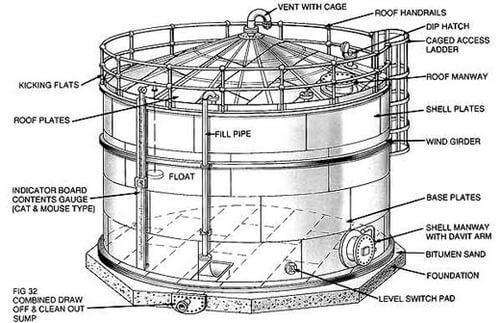
Industrial Applications
- Gasoline and diesel storage tanks
- Chemical storage tanks with volatile liquids
- Tanks with fluctuating temperatures and frequent product withdrawal
It is a device that allows air and vapor to flow in and out of a fuel tank, preventing overpressure or vacuum conditions.
Venting accommodates expansion and contraction of stored liquids due to temperature changes and fuel usage, preventing leaks or tank damage.
It prevents tank rupture or leaks and works with vapor recovery systems to reduce exposure to volatile compounds.
Yes, they are suitable for gasoline, diesel, and many other volatile liquids stored in tanks.
The tank may experience pressure buildup or vacuum, leading to leaks, spills, or structural failure.